Is thinning hair affecting your confidence?
Hair loss often starts with subtle thinning and can progress due to genetics, hormones, or nutrient gaps. Many people notice changes in hair texture or increased shedding, which can be distressing. Exploring supportive options may help address these concerns and improve scalp health.
Support Healthy Hair From Within
Targeted support for hair.
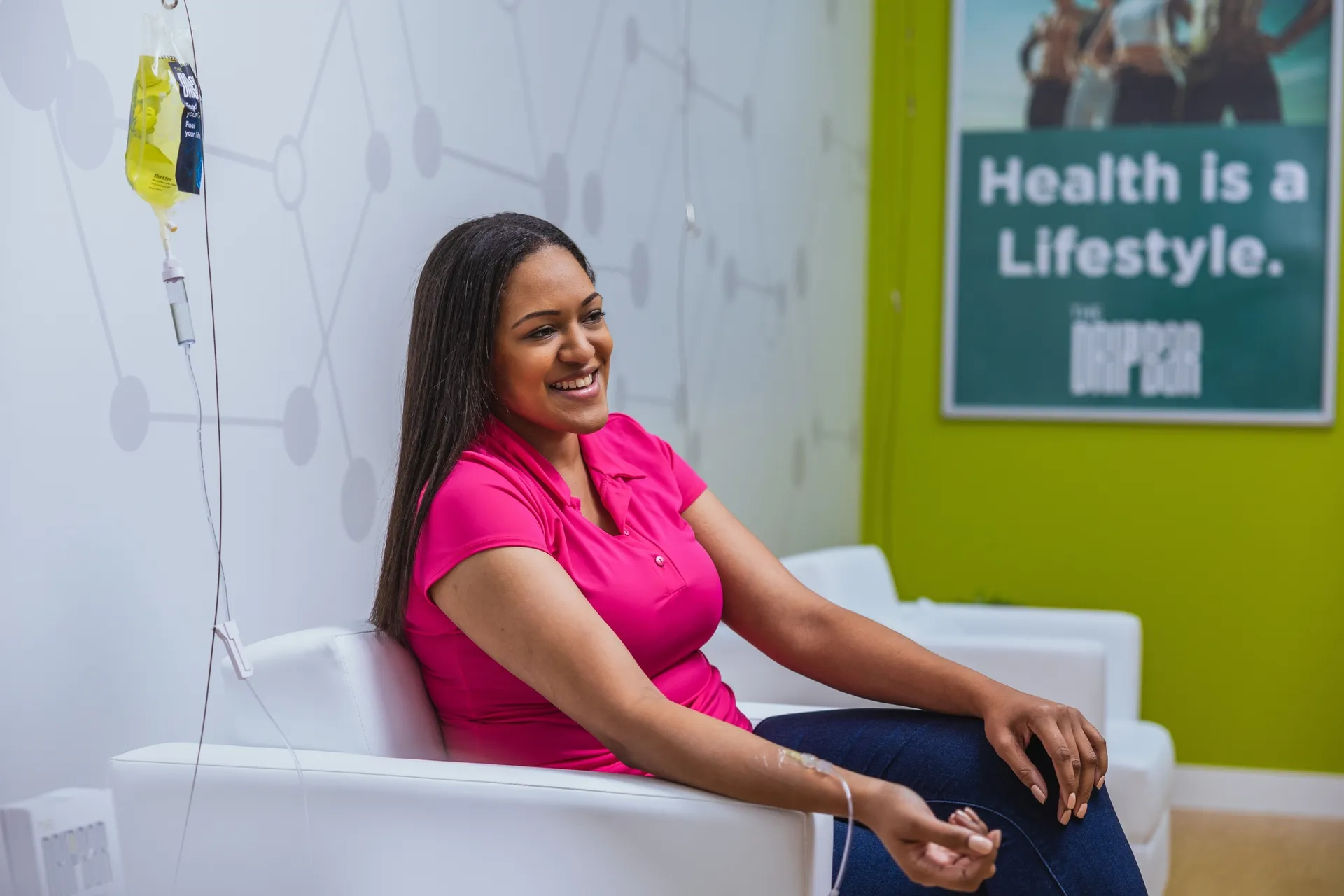
The DRIPBaR offers specialized IV therapies designed to deliver nutrients directly to your body, supporting scalp health and hair growth. These infusions provide hydration, antioxidants, and essential vitamins that nourish hair follicles and may help reduce shedding. By addressing underlying factors like inflammation and oxidative stress, these therapies aim to improve hair texture and strength. Many find this approach a helpful complement to their overall hair wellness routine.Clients looking for a natural way to support hair vitality can explore these services at The DRIPBaR. Each session is tailored to your needs, with licensed nurses overseeing your care for safety and comfort. If you are seeking to enhance your hair’s resilience or restore its natural shine, consider booking a consultation. Take the next step toward supporting your hair health today.
Did you know?
Hair loss can be triggered by stress, hormonal changes, or nutritional deficiencies, and often affects both men and women as they age.
Understanding Hair Loss Causes
Hair loss, also known as alopecia, involves thinning or loss of hair from the scalp or other areas. This condition can be temporary or permanent and is influenced by genetics, hormonal fluctuations, nutrient deficiencies, and environmental stressors. The most common type is androgenetic alopecia, but other forms include telogen effluvium and alopecia areata. Underlying mechanisms often involve reduced blood flow to the scalp, inflammation, and oxidative stress.Triggers for hair loss include thyroid disorders, pregnancy, menopause, certain medications, and periods of high stress. Poor diet and sleep deprivation can also contribute to shedding and weakened hair structure. Managing hair loss often requires a holistic approach, including lifestyle changes and targeted support. Early intervention and consistent care may help maintain hair health and minimize further loss.
Common Symptoms of Hair Loss
Hair loss often begins with gradual thinning, especially along the hairline or crown. Some people notice increased hair shedding in the shower or on their pillow. The texture of the hair may change, becoming finer or more brittle over time. These early signs can be subtle and easy to overlook.As hair loss progresses, patches of scalp may become more visible, and the part may widen. In some cases, people experience diffuse thinning across the entire scalp rather than in isolated spots. Hair may break more easily, and regrowth can appear slower or less dense. These changes can impact self-esteem and daily routines.Other symptoms may include a dry or itchy scalp, increased sensitivity, or inflammation around hair follicles. Some individuals experience temporary hair loss after illness, major life events, or significant stress. Recognizing these patterns can help guide supportive care and prompt further evaluation if needed.
Traditional Treatments
Conventional treatments for hair loss include topical medications such as minoxidil and oral prescriptions like finasteride. These options aim to slow shedding and promote regrowth, but results can vary based on the underlying cause. Platelet-rich plasma (PRP) therapy and hair transplant surgery are additional options for those seeking more advanced interventions. Each approach has its own benefits and considerations, and a healthcare provider can help determine the best fit.Supportive care may involve addressing nutritional deficiencies, improving scalp circulation, and reducing inflammation. Lifestyle changes such as stress management, balanced nutrition, and adequate sleep can also play a role in maintaining hair health. Many people choose to combine traditional treatments with integrative therapies for a more comprehensive approach. Ongoing monitoring and adjustment of care plans help optimize outcomes over time.
How IV Therapy May Help
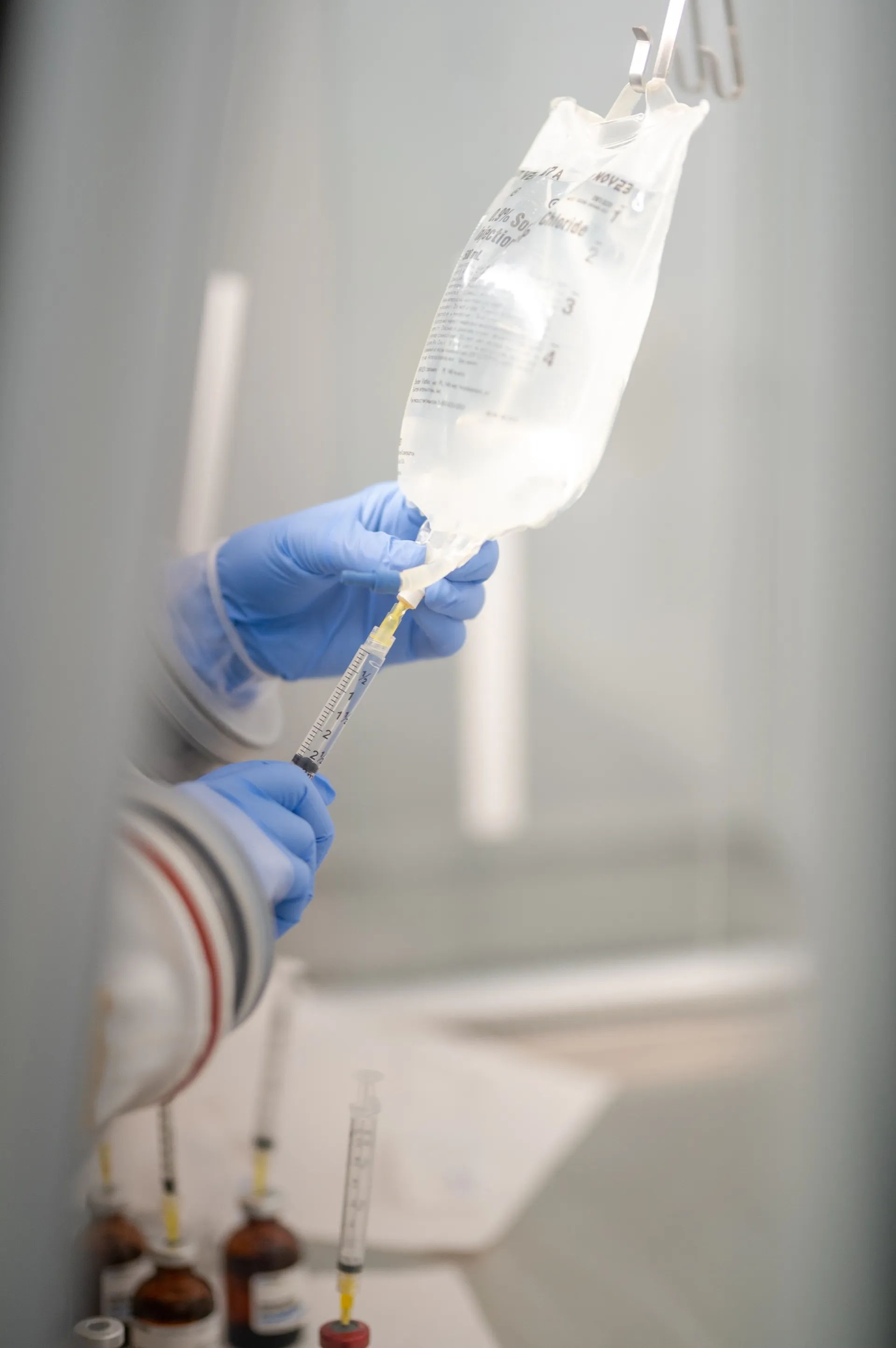
The DRIPBaR provides IV therapies that deliver hydration, antioxidants, and essential nutrients directly to the bloodstream, supporting scalp health and hair follicle function. This targeted approach helps address factors like inflammation, oxidative stress, and nutrient gaps that can contribute to hair thinning. By nourishing the body at a cellular level, these therapies may improve hair texture, reduce breakage, and promote a healthier scalp environment. Licensed nurses oversee each session to ensure safety and comfort throughout the process.Clients seeking to support hair growth or restore hair vitality may benefit from these wellness-focused services. The DRIPBaR's offerings are designed to complement traditional hair loss treatments and can be tailored to individual needs. Consistent sessions may help maintain results and provide ongoing support for hair and scalp health. This integrative approach encourages a balanced, proactive strategy for managing hair concerns.
Nutrient Support for Hair Wellness
Certain IV therapies and oral supplements are formulated to deliver hydration and nutrients that nourish the scalp and hair follicles. These offerings may help improve hair strength and texture while supporting overall scalp health. Integrative approaches can complement traditional hair care routines.
Diamond Glow
Diamond Glow offers a comprehensive facial treatment combining exfoliation, extraction, and serum infusion to improve skin texture and brightness. Using a diamond-tip applicator and vacuum suction, it removes surface debris and delivers medical-grade serums such as HA5 and Vitamin C. This process enhances hydration and supports skin elasticity. The treatment is gentle and suitable for most skin types, requiring no downtime. It is designed to complement internal wellness therapies and promote long-term skin health. Clients often notice immediate improvements in tone and texture. This service fits well into regular self-care routines for maintaining a healthy complexion.
Ascorbic Acid (Vitamin C), B-Complex, Biotin (Vitamin B7), Methylcobalamin (B12)
Firm delivers a blend of essential nutrients directly into the bloodstream to support skin, hair, and nail health. Key ingredients like Ascorbic Acid and Biotin promote collagen and keratin production, which are vital for tissue repair and strength. This infusion helps improve skin hydration and elasticity while supporting hair follicle health and nail integrity. It also includes B-Complex vitamins that aid cellular repair and neurological function. Suitable for adults seeking a wellness-based approach to beauty, Firm complements topical care with internal nourishment. Regular use may enhance overall appearance and resilience to environmental stressors.
Glutathione
Glutathione is a critical antioxidant that helps neutralize free radicals and supports the body’s detoxification processes. Delivered intravenously, this therapy bypasses digestive barriers for immediate absorption and effectiveness. It aids in reducing oxidative stress, promoting immune resilience, and supporting skin and tissue repair. Regular support with glutathione can contribute to improved energy levels and overall wellness. This infusion is designed for those seeking proactive, science-based approaches to maintain their health and vitality.
Oral Supplements deliver essential nutrients to help maintain energy, immune function, and metabolic health between visits. These products are customized to individual needs and designed to complement in-clinic therapies. By addressing common nutritional gaps, they support long-term cellular repair and vitality. Supplements are practitioner-guided and sourced for quality and potency. Convenient home delivery ensures ease of use. This approach helps clients sustain wellness and feel their best consistently. Personalized plans adapt as health goals evolve.
FAQs About Hair Loss
What are signs your efforts toward hair health are paying off?+
You may notice less hair shedding and improved hair texture as positive signs. Increased fullness or shine can also indicate progress. Some people observe new hair growth along the hairline or part. Consistent care and patience are important for lasting results.
How can pairing complementary services amplify hair wellness?+
Combining supportive therapies, such as nutrient infusions and oral supplements, may enhance overall hair health. These approaches can address different aspects like hydration, nutrition, and scalp circulation. Working together, they may provide more comprehensive support. Always consult a licensed nurse for personalized guidance.
What daily priorities help keep hair loss results strong?+
Maintaining a balanced diet rich in vitamins and minerals supports hair strength. Managing stress and getting adequate sleep are also important. Gentle hair care routines help prevent breakage. Consistency in your wellness plan helps sustain improvements.
How do supportive communities boost confidence during hair changes?+
Engaging with others who share similar experiences can provide emotional support and practical tips. Community groups may offer encouragement and reduce feelings of isolation. Sharing progress and challenges helps build resilience. Supportive environments foster a positive outlook on hair wellness.
How does stress impact the immune system and hair health?+
Chronic stress can disrupt immune function and contribute to hair shedding. Stress hormones may affect the hair growth cycle and scalp environment. Managing stress through relaxation techniques can help support both immune and hair health. Balanced routines promote overall well-being.
What are ways to balance activity and rest while managing hair loss?+
Alternating periods of activity and rest helps reduce physical and emotional strain. Gentle exercise can improve circulation, benefiting scalp health. Prioritizing rest supports recovery and hair growth. Listening to your body’s needs is key for effective self-care.
How can you adapt your lifestyle to get the most from hair loss support?+
Incorporating healthy habits like nutritious meals and stress management enhances therapy benefits. Avoiding harsh hair treatments can reduce breakage. Regular follow-ups with licensed nurses help track progress. Adapting routines ensures ongoing support for hair health.
How can you track improvements in hair strength over time?+
Monitoring changes in hair thickness, texture, and shedding can indicate progress. Taking regular photos helps visualize subtle improvements. Keeping a journal of hair care routines and outcomes is useful. Patience is important, as results may take time.
What is fact versus fiction about biotin for hair?+
Biotin is a B vitamin that supports keratin production, which is important for hair structure. While deficiencies can lead to hair thinning, most people get enough from their diet. Supplementation may help those with low levels but is not a guaranteed solution. Always consult a licensed nurse before starting new supplements.
What are tips for staying productive despite hair thinning?+
Focusing on self-care routines can boost confidence and well-being. Using gentle styling methods helps minimize further hair loss. Setting realistic goals and celebrating small improvements supports motivation. Seeking support from others can make daily challenges easier.