Struggling with monthly discomfort?
Many people experience cramps, fatigue, or mood changes during their cycle. These symptoms can disrupt daily routines and lower energy levels. Tracking patterns and seeking support may help manage these challenges.
Find Balance and Comfort Every Cycle
Gentle support for cycles.
Menstrual cycles can bring a range of symptoms, from cramps to mood swings, that impact daily life. The DRIPBaR offers supportive therapies designed to help ease discomfort, replenish nutrients, and promote overall well-being. These services focus on hydration, targeted nutrients, and relaxation to help you feel more balanced throughout your cycle. Many find that regular care helps manage symptoms and supports a smoother monthly experience.Our approach at The DRIPBaR is tailored to the unique needs of each individual, providing options that fit a variety of symptoms and preferences. Whether you experience irregular cycles, heavy bleeding, or fatigue, our team can help you explore integrative wellness strategies. Book an appointment to discover how gentle, nutrient-focused support can make a difference in your menstrual health.
Did you know?
Hormonal fluctuations and nutrient loss during menstruation can impact energy, mood, and comfort for many individuals.
Understanding Menstrual Health Basics
Menstrual health refers to the regularity, comfort, and overall function of the menstrual cycle. It is shaped by hormonal patterns, nutrient status, and the body’s ability to adapt to monthly changes. Some people experience predictable, manageable cycles, while others face symptoms like cramps, fatigue, or mood shifts. These variations can be influenced by factors such as stress, nutrition, and underlying health conditions.Common triggers for menstrual discomfort include hormonal imbalances, nutritional deficiencies, and chronic inflammation. Managing symptoms often involves a combination of lifestyle adjustments, dietary support, and sometimes medical therapies. Paying attention to changes in your cycle and seeking support when needed can help you find the right balance. Individual experiences vary, so a personalized approach is important.
Symptoms of Poor Menstrual Health
Traditional Treatments
Traditional approaches to menstrual health often include lifestyle changes, dietary adjustments, and over-the-counter medications for pain relief. Hormonal birth control is commonly used to regulate cycles and manage symptoms, while nonsteroidal anti-inflammatory drugs (NSAIDs) can help reduce cramps and discomfort. Some people benefit from stress management techniques, exercise, or targeted nutritional support to address specific symptoms.Integrative therapies, such as IV nutrient infusions, are gaining interest for their potential to replenish lost nutrients and support hormonal balance. These approaches may help reduce inflammation, ease muscle tension, and restore energy. It's important to remember that individual responses can vary, and ongoing communication with a healthcare provider is recommended. Combining different strategies can often provide the most comprehensive support.
How IV Therapy May Help
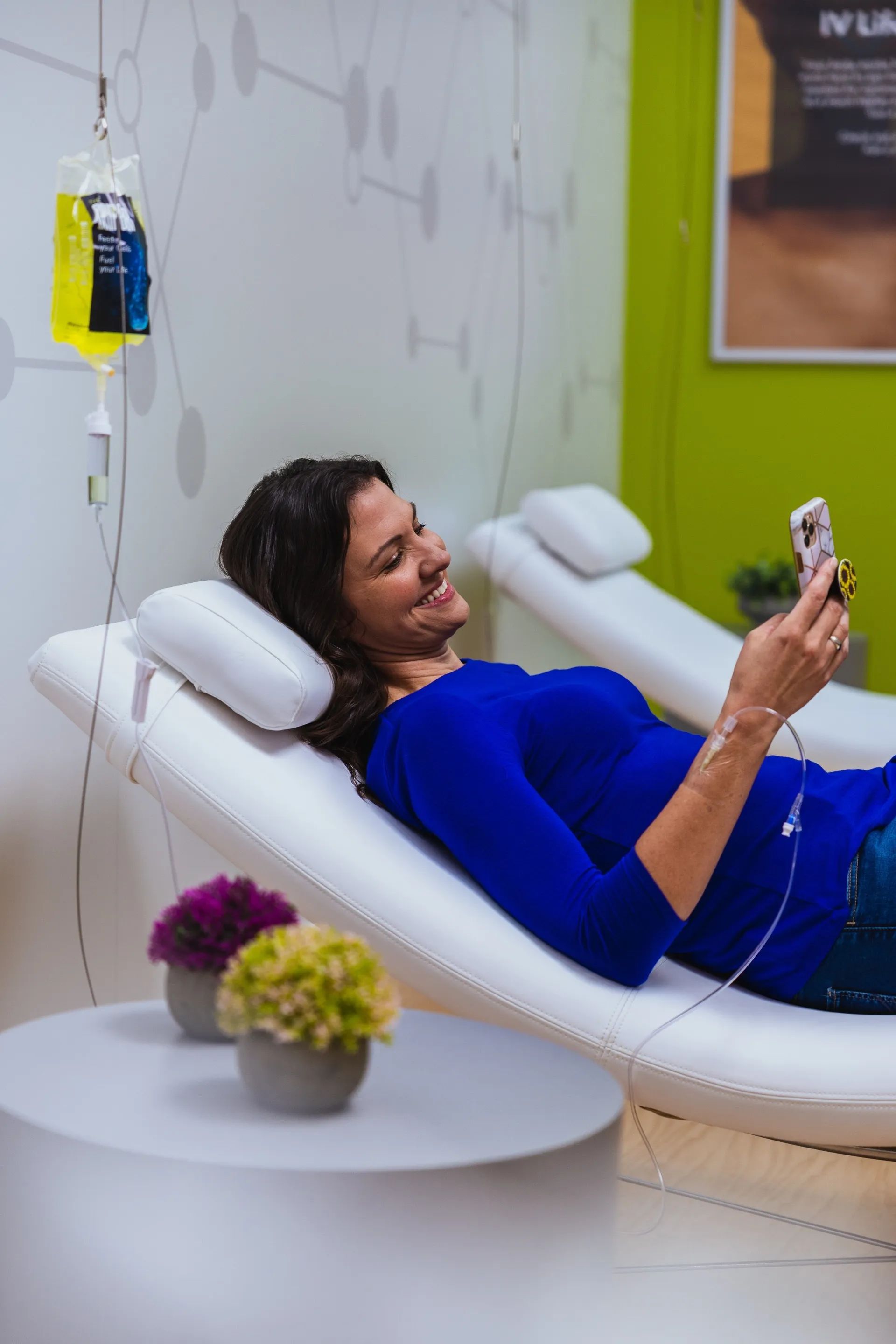
IV therapy at The DRIPBaR offers a way to deliver hydration and essential nutrients directly into the bloodstream, supporting the body's natural processes during the menstrual cycle. This method allows for controlled dosing of vitamins and minerals that may help ease cramps, support mood, and restore energy levels. Many people find that regular sessions can help manage monthly symptoms and promote overall comfort. Results can vary, and ongoing monitoring is encouraged to ensure the best fit for your needs.Our services are designed to complement your existing wellness routine and can be tailored to address specific symptoms or concerns. Licensed nurses oversee each session, ensuring safety and individualized care. By focusing on replenishing nutrients and supporting relaxation, our therapies aim to make each cycle more manageable. Discuss your goals with our team to find the right approach for your menstrual health.
Supportive Therapies for Cycle Wellness
A variety of wellness services can help ease menstrual discomfort and support hormonal balance. These offerings focus on relaxation, hydration, and replenishing key nutrients. Many people find that integrating these therapies into their routine helps improve overall comfort.
Cold Plunge
Cold Plunge therapy involves brief immersion in chilled water to stimulate the body’s natural recovery mechanisms. This activates vascular and neurological pathways that help reduce muscle soreness and improve mental clarity. The process also triggers neurotransmitter release, which can enhance mood and focus. Regular use may support metabolic activity and energy balance. This therapy is a natural, non-invasive approach to supporting overall wellness and resilience. It can be integrated into various health routines for ongoing benefits.
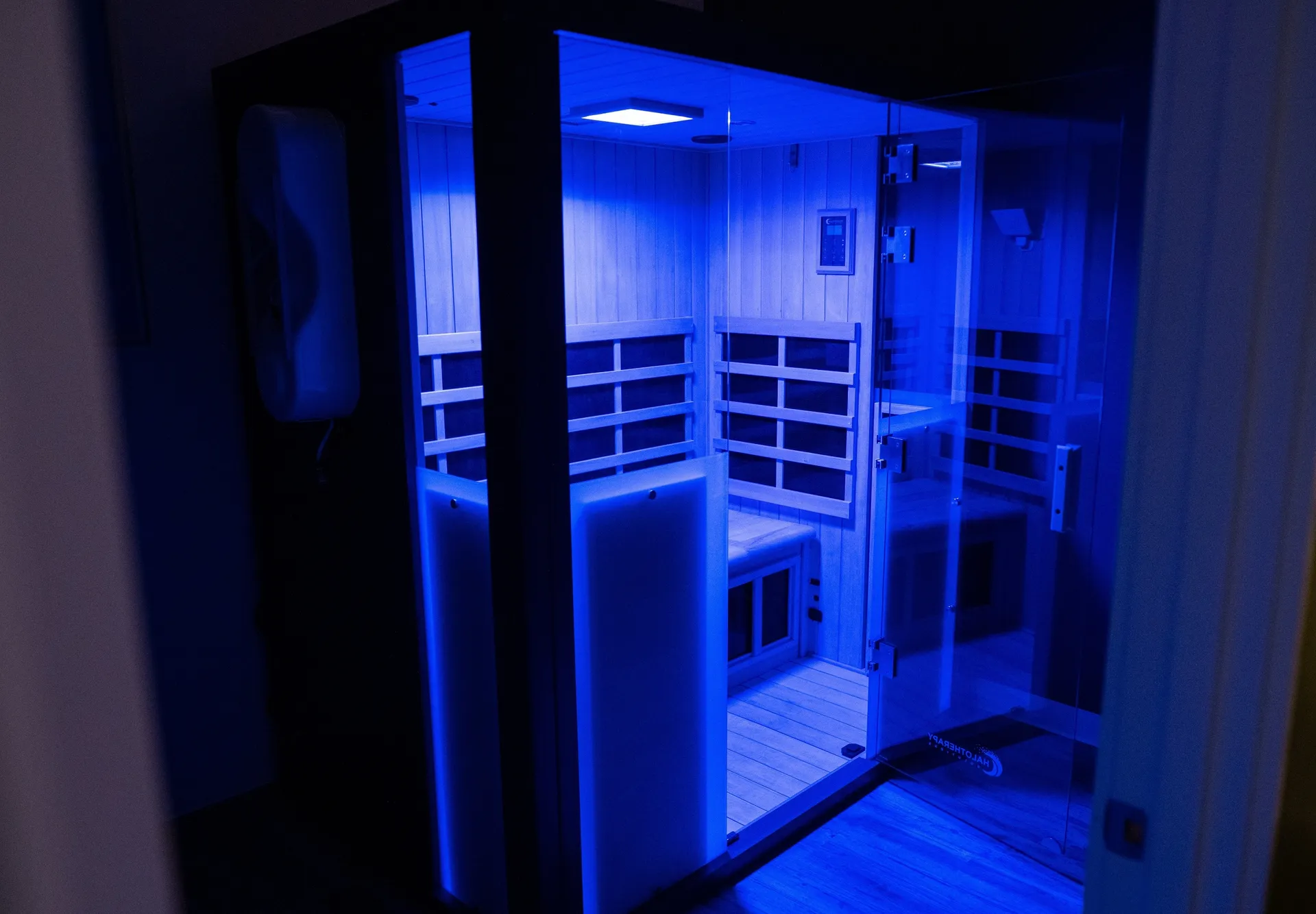
Infrared Sauna therapy offers a unique way to support the body’s natural healing processes through deep, targeted heat. By gently raising core temperature, it promotes improved circulation and encourages the elimination of toxins. The warmth helps ease muscle tension and supports skin health by enhancing nutrient delivery. Sessions are conducted in a private, comfortable setting with trained staff to ensure a relaxing experience. This therapy can be integrated with other wellness services to enhance overall benefits. Regular use may contribute to improved comfort, relaxation, and metabolic balance. It is suitable for individuals seeking a gentle, effective approach to wellness support.
Magnesium, Calcium, Taurine
Soother is a restorative intravenous infusion that delivers key nutrients like Magnesium, Calcium, and Taurine directly into the bloodstream. This approach supports muscle relaxation, emotional balance, and improved sleep quality. The infusion bypasses digestive limitations for faster nutrient absorption. It is designed for individuals seeking relief from stress, tension, and fatigue. The formula promotes mental clarity and physical recovery. This treatment offers a gentle way to restore balance and resilience. It fits well within a proactive wellness routine.
FAQs About Menstrual Health
What are practical workstation habits for office workers to support results?+
Office workers can benefit from regular movement, ergonomic seating, and staying hydrated throughout the day. Taking short breaks to stretch may help reduce tension and discomfort. Tracking how you feel during your cycle can guide adjustments in your routine. If symptoms persist, consider seeking additional support.
How can I adjust wellness goals to align with improved energy?+
Start by identifying patterns in your energy levels throughout your cycle. Set realistic goals that account for natural fluctuations and allow flexibility. Incorporate gentle movement, balanced nutrition, and stress management into your plan. Adjust as needed based on your body’s response.
How do I build a routine around your Menstrual Health schedule?+
Begin by noting when symptoms typically occur and plan supportive therapies accordingly. Consistency can help your body adapt and may improve results over time. Schedule sessions during times when you need extra support, such as before or during your cycle. Review your routine regularly to ensure it meets your needs.
How can I integrate wellness services into my PCOS plan?+
Wellness services can complement your PCOS management by addressing stress, supporting nutrient balance, and promoting relaxation. Consider therapies that target inflammation and hormonal support. Always coordinate with your healthcare provider to ensure a safe approach. Adjust your plan as your needs change.
How can I maintain the benefits of magnesium over time?+
Magnesium supports muscle relaxation and mood stability, especially during the menstrual cycle. To maintain its benefits, include magnesium-rich foods and consider supplementation if recommended. Regularly assess how you feel and adjust intake as needed. Consult a healthcare provider for personalized guidance.
How should I adapt my schedule when experiencing fatigue?+
Listen to your body and allow for extra rest when fatigue is present. Prioritize essential tasks and delegate when possible. Gentle movement and hydration may help boost energy. If fatigue is persistent, seek professional advice.
How can I recognize the difference between short-term and lasting relief?+
Short-term relief often comes from immediate interventions like rest or hydration. Lasting relief may require ongoing lifestyle changes and regular support. Track your symptoms to notice patterns and improvements over time. Consult with a healthcare provider for long-term strategies.
What is the role of exercise in boosting the effects of Menstrual Health support?+
Exercise can help improve circulation, reduce cramps, and support mood during the menstrual cycle. Gentle activities like walking or yoga are often beneficial. Listen to your body and adjust intensity as needed. Combining movement with other wellness strategies may enhance results.
What post-visit guidance is recommended for guests with endometriosis?+
After a wellness session, focus on rest and gentle self-care to support recovery. Monitor how you feel and note any changes in symptoms. Maintain open communication with your healthcare provider about ongoing management. Adjust your routine as needed for comfort and effectiveness.
How can small changes make a big difference for young adults?+
Small adjustments in nutrition, hydration, and stress management can have a meaningful impact. Young adults may benefit from building healthy habits early in life. Tracking progress and celebrating improvements helps maintain motivation. Consistent self-care supports long-term menstrual health.