Why does mono fatigue linger?
After mononucleosis, the immune system can remain imbalanced, leading to ongoing tiredness and weakness. Each person’s recovery is unique, and symptoms may persist for weeks or months. Monitoring your progress and consulting a healthcare provider can help guide your recovery.
Targeted Support for Post-Viral Fatigue
Restoring energy and balance.
IV therapy offers a way to deliver hydration and nutrients directly to your body, supporting immune recovery and reducing lingering fatigue after mononucleosis. This approach can help replenish vitamins and minerals lost during illness, while antioxidants may assist in calming inflammation. Many people find that targeted nutrient support helps restore energy and mental clarity as they recover. Individual results can vary, and it is important to monitor your symptoms and adjust care as needed.The DRIPBaR provides IV therapy options designed to address the unique needs of those recovering from mono. By focusing on hydration, immune support, and replenishing key nutrients, these services can complement your overall recovery plan. If you are experiencing persistent fatigue or weakness, consider booking an appointment to explore supportive options.
Did you know?
Mononucleosis can cause fatigue and weakness that sometimes last for several months after the initial infection.
Understanding Mononucleosis Recovery
Mononucleosis recovery involves the body’s response to the Epstein-Barr virus, which can disrupt immune function and cause prolonged fatigue. The illness often begins with symptoms like sore throat, swollen lymph nodes, and fever, but the most persistent issue is usually ongoing tiredness. During recovery, inflammation and nutrient depletion can contribute to lingering weakness and slow the return to normal activities. Supporting the immune system and replenishing lost nutrients are key aspects of the recovery process.Common triggers for extended recovery include insufficient rest, dehydration, and stress, which can make symptoms worse. Responsible management focuses on adequate hydration, balanced nutrition, and gradual return to activity. Monitoring your symptoms and adjusting your self-care routine as needed can help you recover more comfortably. Consulting with a healthcare provider ensures your approach is safe and tailored to your needs.
Common Symptoms of Mononucleosis
Mononucleosis often starts with intense fatigue, sore throat, and swollen lymph nodes. Many people also experience fever, muscle aches, and sometimes an enlarged spleen. These symptoms can be severe during the acute phase and may disrupt daily routines. Rest and hydration are important during this initial period.After the acute symptoms subside, lingering fatigue is common and can last for weeks or even months. Some individuals report ongoing muscle weakness, brain fog, and difficulty concentrating. These effects may fluctuate, with some days feeling better than others. It is important to pace yourself and avoid overexertion.Other symptoms that can persist include mild sore throat, low-grade fever, and increased susceptibility to secondary infections. Emotional changes such as irritability or low mood are also possible. Recovery timelines vary, and ongoing support may help ease the transition back to normal activities.
Traditional Treatments
Standard treatment for mononucleosis focuses on symptom management, as there is no specific antiviral medication for the Epstein-Barr virus. Rest, hydration, and over-the-counter remedies for pain or fever are commonly recommended. Licensed nurses may suggest avoiding strenuous activity, especially if the spleen is enlarged, to prevent complications.Gradual return to normal routines is encouraged once acute symptoms improve, but lingering fatigue may require ongoing adjustments. Nutritional support, gentle exercise, and stress reduction can play a role in recovery. Regular follow-up with a healthcare provider helps ensure safe progress and addresses any persistent or worsening symptoms.
How IV Therapy May Help
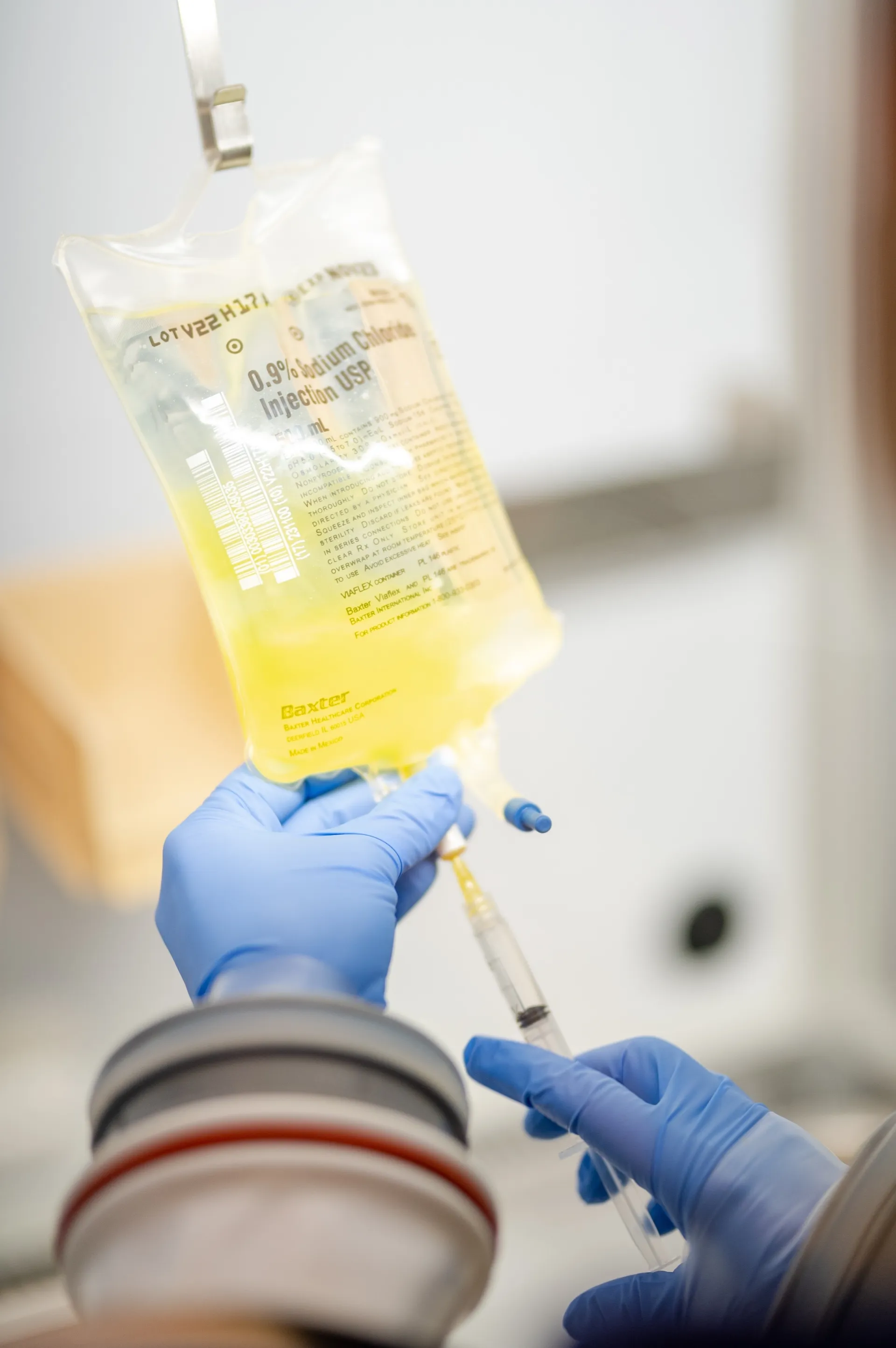
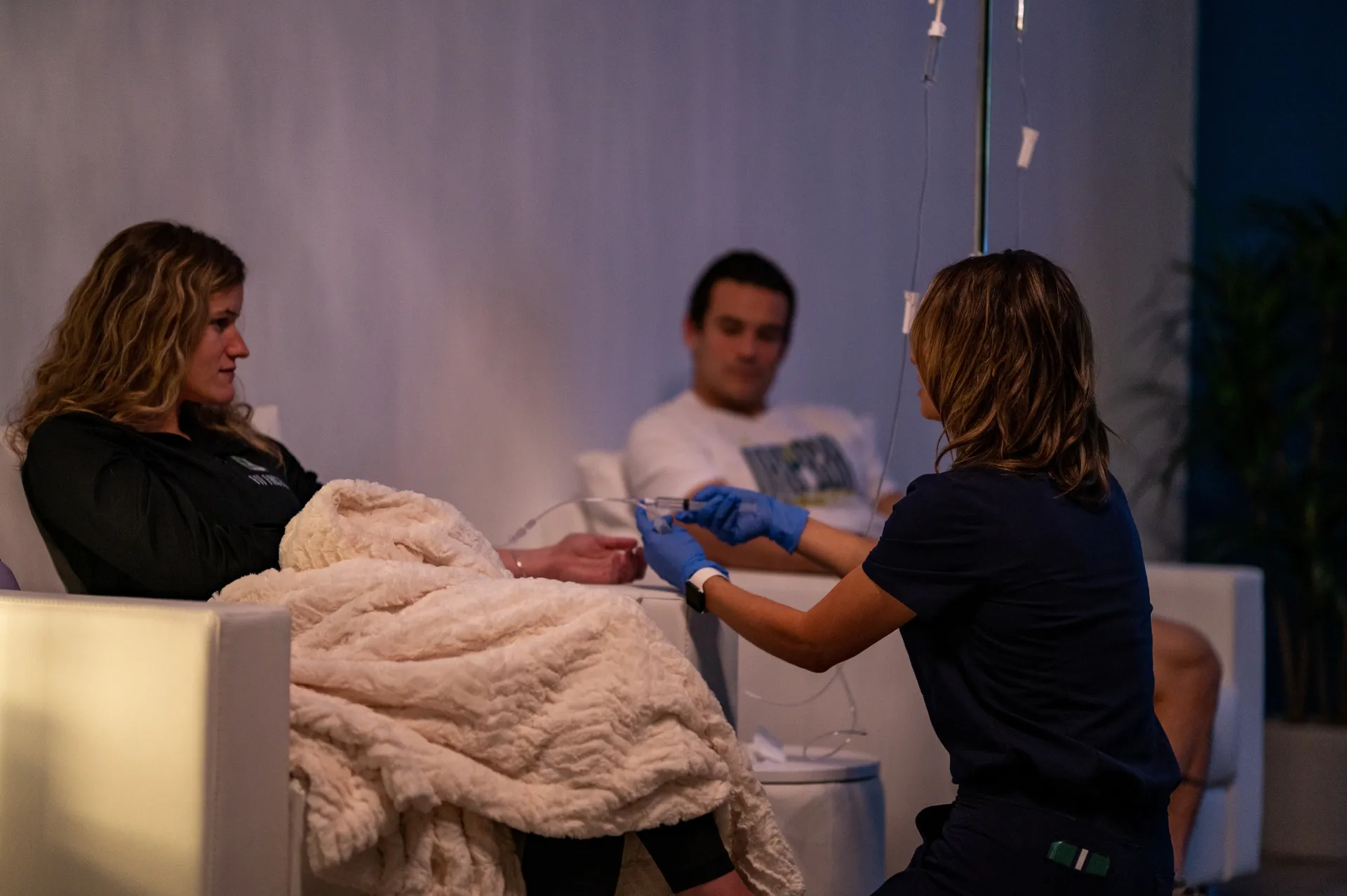
IV therapy at The DRIPBaR is designed to deliver hydration, vitamins, and antioxidants directly into the bloodstream, supporting your body's natural recovery processes. This approach can help replenish nutrients lost during illness, reduce oxidative stress, and promote immune balance. Many people find that targeted nutrient support helps ease lingering fatigue and supports a gradual return to daily activities. Each session is tailored to your needs and monitored by licensed nurses for safety.In addition to hydration, IV therapy can provide ingredients that support tissue repair, energy metabolism, and relaxation. This may help address symptoms such as muscle soreness, brain fog, and low energy. While IV therapy is not a cure, it can be a valuable part of a comprehensive recovery plan. Discussing your symptoms and goals with a provider ensures the approach fits your individual needs.
Nutrient Support for Lasting Recovery
Specialized IV infusions can help restore hydration, replenish essential nutrients, and support immune balance during recovery from mono. These offerings are designed to address fatigue, inflammation, and lingering symptoms. A tailored approach may help you regain strength and clarity.
Ascorbic Acid (Vitamin C), Magnesium, Zinc
Flu Fighter is an intravenous therapy designed to deliver essential nutrients and hydration directly to the bloodstream. It includes Vitamin C, Magnesium, and Zinc, which support immune function and reduce oxidative stress. This infusion aids in tissue repair and energy restoration. It is suitable for individuals seeking to enhance recovery and maintain wellness. The therapy bypasses digestive absorption for faster, more effective nutrient delivery. It is a supportive option during periods of physical stress or illness. This approach helps promote overall resilience and balance.
Ozone Therapy involves infusing medical-grade ozone into a small blood sample to stimulate immune and antioxidant responses. This process aims to improve oxygen delivery and cellular energy production. It supports detoxification and enhances circulation, contributing to overall health. The therapy is administered by licensed nurses in a controlled setting. It is suitable for those seeking to support recovery and maintain wellness. Sessions are designed to be safe, comfortable, and tailored to individual needs. This approach complements broader wellness strategies by promoting natural balance.
Ascorbic Acid (Vitamin C), Magnesium, Methylcobalamin (B12), B-Complex, Zinc, NAC
Shield provides a targeted blend of nutrients delivered intravenously to support immune system strength and cellular repair. It includes antioxidants and vitamins that help reduce oxidative stress and promote tissue healing. This infusion is designed for individuals seeking to enhance their resilience and recover from physical or immune challenges. The direct delivery method ensures rapid nutrient absorption and effective support. It is suitable for a wide range of wellness needs and recovery goals.
Magnesium, Methylcobalamin (B12), Taurine, Ascorbic Acid (Vitamin C), B-Complex, L-Arginine, Calcium, L-Carnitine
Vitality provides a targeted blend of nutrients to help restore physical energy and improve mental focus. It supports muscle repair and circulatory health through ingredients like Magnesium and B-Complex vitamins. Delivered intravenously, this therapy bypasses digestive limitations for rapid nutrient absorption. It is suitable for those with active lifestyles or recovering from fatigue. Vitality aims to enhance overall stamina and cognitive performance. This infusion offers a balanced approach to wellness and recovery. Many clients seek it to support sustained energy and resilience.
FAQs About Mononucleosis Recovery
How can I create a weekly self-care checklist for mononucleosis recovery?+
A weekly self-care checklist for mononucleosis recovery should focus on rest, hydration, balanced nutrition, and gentle activity. Tracking your energy levels and symptoms can help you adjust your routine as needed. Including time for relaxation and stress management is also beneficial. Consult a healthcare provider for personalized recommendations.
How can I personalize mononucleosis recovery to fit my wellness goals?+
Personalizing mononucleosis recovery involves understanding your unique symptoms and lifestyle needs. Setting realistic goals for energy, activity, and nutrition can guide your approach. Adjusting your plan as you recover helps support lasting improvement. Regular check-ins with a provider ensure your strategy remains safe and effective.
Why does proactive care make mononucleosis recovery more effective?+
Proactive care helps address symptoms before they become overwhelming, supporting a smoother recovery. Early attention to hydration, nutrition, and rest can reduce the risk of complications. Consistent self-care may help shorten the duration of lingering fatigue. Each person’s response will vary, so ongoing monitoring is important.
How can college students schedule wellness sessions during restoration?+
College students recovering from mono should prioritize rest and avoid overcommitting to activities. Scheduling wellness sessions, such as IV therapy or counseling, can support gradual improvement. Balancing academic demands with self-care is key to a successful recovery. Seeking support from campus health resources may also be helpful.
How do I build a routine to sustain energy after illness?+
Building a routine to sustain energy involves pacing activities and allowing time for rest. Gradually increasing physical and mental tasks can help rebuild stamina. Including regular hydration and balanced meals supports ongoing recovery. Adjust your routine as needed based on how you feel each day.
How can I build resilience before returning to sports after mono?+
Building resilience before returning to sports includes focusing on gradual reconditioning and monitoring symptoms. Gentle exercise, adequate hydration, and nutrient support can help restore strength. Listening to your body and avoiding overexertion are essential. Consulting with a healthcare provider ensures a safe return to activity.
When should I refresh my vitamin C strategy during return to form?+
Refreshing your vitamin C strategy may be helpful if you notice ongoing fatigue or slow healing. Increasing dietary sources or considering supplementation can support immune function. IV therapy may offer a direct way to replenish vitamin C levels. Always discuss changes with a healthcare provider.
Why do restoration days matter for mental clarity?+
Recovery days allow your body and mind to rest, which supports cognitive function. Taking breaks from demanding tasks can help reduce brain fog and improve focus. Consistent rest and hydration are important for mental clarity. Each person’s needs will differ, so listen to your body.
What is the relationship between circulation and the immune system?+
Circulation plays a vital role in delivering immune cells and nutrients throughout the body. Good blood flow supports efficient immune responses and tissue repair. Hydration and gentle movement can help maintain healthy circulation. Supporting circulation may aid overall recovery from illness.
What role does mindfulness play in maintaining resilience?+
Mindfulness can help manage stress and support emotional balance during recovery. Practicing mindfulness techniques may improve sleep and reduce anxiety. This can contribute to greater resilience and a smoother healing process. Incorporating mindfulness into your daily routine may benefit your overall well-being.