Are memory changes disrupting daily life?
When memory lapses start to affect routines, it can be unsettling. These changes may not always be part of normal aging and can lead to frustration or confusion. Finding supportive strategies early can help maintain independence and quality of life.
Support Cognitive Wellness Every Day
Personalized brain health support.
The DRIPBaR offers IV therapies designed to deliver targeted nutrients that may support brain health and cognitive clarity. These therapies focus on promoting cellular repair, reducing oxidative stress, and supporting energy metabolism in the brain. By addressing factors that contribute to cognitive decline, our services aim to help you or your loved one maintain mental sharpness and resilience. Each session is overseen by licensed nurses to ensure comfort and safety.Our approach at The DRIPBaR emphasizes proactive wellness and integrative care for those concerned about memory or cognitive changes. Whether you are seeking to support healthy aging or manage early symptoms, our team can help you explore options tailored to your needs. Book an appointment today to learn how IV nutrient therapy may complement your cognitive health journey. Take the next step toward supporting your brain’s vitality.
Did you know?
Alzheimer’s is the most common cause of dementia, accounting for up to 80% of cases in older adults.
Understanding Alzheimer's & Dementia
What happens in the brain during Alzheimer’s & Dementia? These conditions are progressive neurological disorders marked by the buildup of abnormal proteins, leading to disrupted communication between brain cells and eventual cell loss. Over time, this process results in memory impairment, changes in thinking, and altered behavior. The most common form, Alzheimer’s, is linked to beta-amyloid plaques and tau tangles that damage neurons.Risk factors include advanced age, genetics, cardiovascular health, and lifestyle choices. While the exact cause remains unclear, chronic inflammation and oxidative stress play a role in progression. Management focuses on slowing decline, supporting daily function, and improving quality of life. Early recognition and a combination of medical, lifestyle, and supportive therapies are key to care.
Symptoms of Alzheimer's & Dementia
Unlike occasional forgetfulness, Alzheimer’s & Dementia often begin with persistent memory lapses that disrupt daily routines. Individuals may struggle to recall recent events, misplace items, or repeat questions. These early symptoms can be subtle and are sometimes mistaken for normal aging.As the condition progresses, language difficulties, confusion about time or place, and trouble with problem-solving become more noticeable. People may have difficulty following conversations or managing complex tasks. Changes in mood, personality, or social withdrawal are also common.In advanced stages, individuals may lose the ability to recognize loved ones or perform basic self-care. Severe disorientation, agitation, and loss of independence often require ongoing support. Each person’s experience is unique, and symptoms can vary in pattern and severity.
Traditional Treatments
What are the standard treatments for Alzheimer's & Dementia? While there is no cure, management focuses on slowing progression and improving quality of life. Medications such as cholinesterase inhibitors or memantine may help with cognitive symptoms. Behavioral therapies and environmental adjustments support daily function and independence.Lifestyle interventions, including a brain-healthy diet, regular exercise, and mental stimulation, are recommended. Supportive care addresses sleep issues, mood changes, and caregiver needs. Early planning and a team approach can help families navigate the challenges of these conditions. Ongoing research continues to explore new therapies and supportive strategies.
How IV Therapy May Help
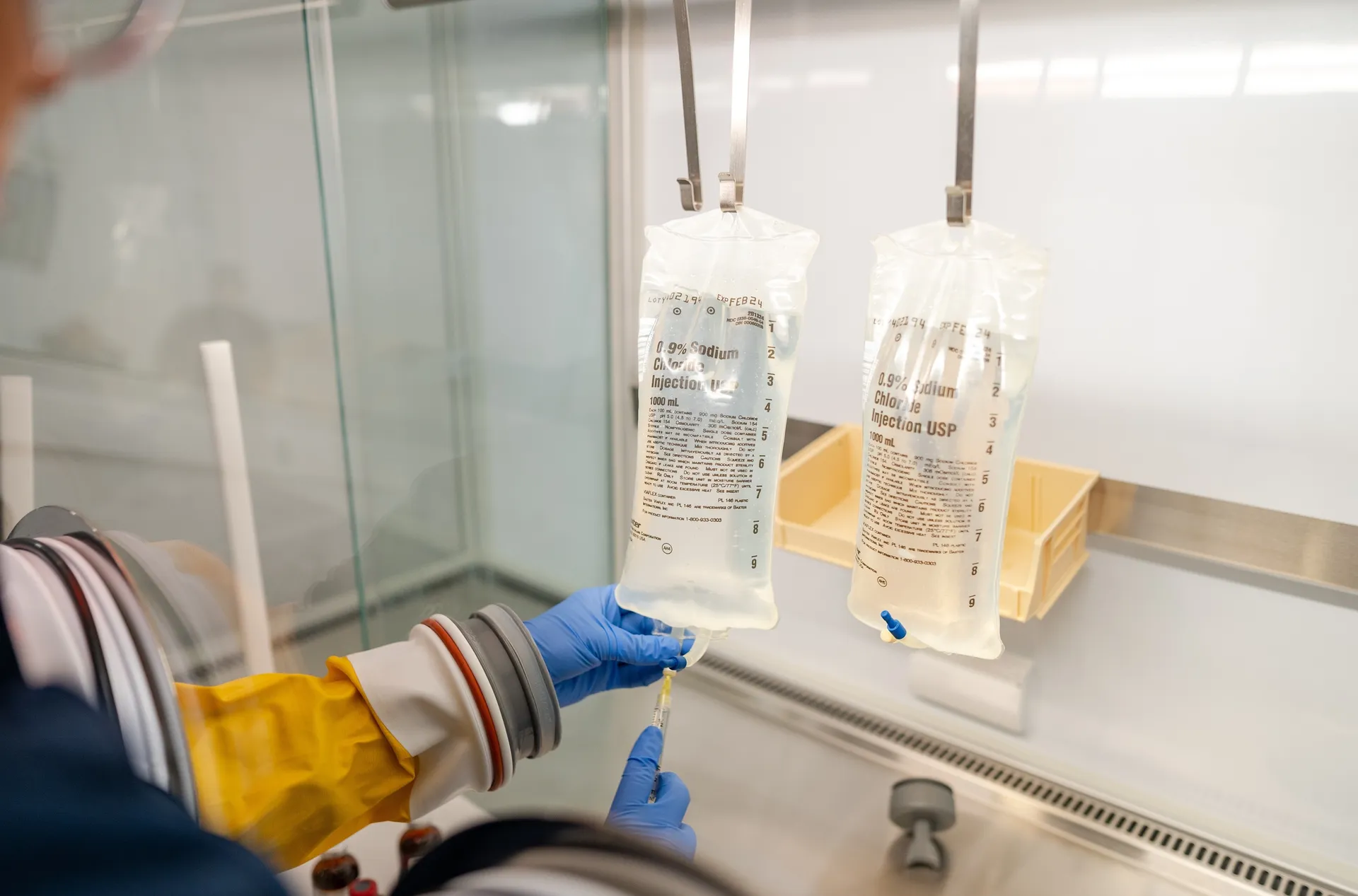
How can IV nutrient therapy support brain health? IV therapies at The DRIPBaR are designed to deliver nutrients directly into the bloodstream, bypassing digestive barriers for immediate absorption. This approach may help support mitochondrial function, enhance antioxidant defenses, and promote cellular repair, all of which are important for cognitive wellness. Licensed nurses oversee each session to ensure safety and comfort.While IV therapy is not a cure for Alzheimer's & Dementia, it can be a supportive option for those seeking to maintain brain health and manage symptoms. By targeting factors like oxidative stress and inflammation, these therapies may complement traditional care plans. Our services are tailored to individual needs, focusing on proactive wellness and quality of life.
Nutrient Support for Brain Wellness
Certain IV therapies provide nutrients that may help support cognitive clarity and brain function. These offerings focus on promoting cellular energy, reducing oxidative stress, and supporting neurological health.
Hyperbaric Chambers
Hyperbaric Chambers use pressurized oxygen to increase the amount of oxygen dissolved in blood plasma, which supports faster tissue repair and reduces inflammation. This therapy enhances cellular energy production and helps balance immune function. Sessions typically last between 60 and 90 minutes and are conducted under professional supervision. Clients often experience relaxation and improved mental clarity after treatment. Benefits may accumulate with repeated sessions as part of a wellness routine. This approach complements other therapies aimed at recovery and vitality.
Nicotinamide Adenine Dinucleotide (NAD) is a crucial coenzyme involved in energy production and DNA repair within cells. This intravenous therapy delivers NAD+ directly to support mitochondrial function and enhance cellular resilience. By bypassing digestive limitations, it offers faster absorption and targeted metabolic support. The treatment may help improve mental clarity, reduce fatigue, and support overall vitality. It is designed for individuals seeking proactive wellness and cognitive enhancement. NAD+ levels naturally decline with age and stress, making replenishment important for maintaining health. This therapy provides a science-based approach to support long-term cellular function.
Nicotinamide Riboside (NR) is a vitamin B3 derivative that serves as a direct precursor to NAD+, a coenzyme essential for energy production and DNA repair. Delivered intravenously, this therapy bypasses digestive barriers for rapid absorption and utilization. It supports mitochondrial biogenesis, enhancing energy output and endurance. The infusion also promotes neurological function and cognitive clarity by boosting neuronal metabolism. Additionally, it strengthens antioxidant defenses to protect cells from oxidative damage. This therapy is designed to support overall vitality and healthy aging through targeted cellular support.
FAQs About Alzheimer's & Dementia
What daily routines can enhance readiness for major life changes?+
Establishing consistent routines, such as regular sleep and balanced nutrition, can help support cognitive readiness during transitions. Engaging in social activities and mental exercises may also promote brain health. Staying physically active and managing stress are important for overall wellness. These habits can contribute to resilience during periods of change.
What are simple ways to keep the nervous system balanced?+
Maintaining a regular sleep schedule and practicing relaxation techniques can help keep the nervous system balanced. Consuming a diet rich in antioxidants and healthy fats supports brain function. Staying hydrated and engaging in gentle physical activity are also beneficial. These steps may help promote neurological stability.
What at-home practices may ease Alzheimer's & Dementia symptoms?+
Creating a structured daily routine can help reduce confusion and anxiety for those with Alzheimer’s & Dementia. Encouraging regular physical activity and mental stimulation may support cognitive function. Providing a calm, familiar environment can ease stress. Support from family and friends is also valuable.
What complementary therapies can be explored for Alzheimer's & Dementia?+
Complementary therapies such as music therapy, art activities, and gentle exercise may support well-being in Alzheimer’s & Dementia. Nutritional support and mindfulness practices can also be beneficial. It is important to coordinate these approaches with medical care. Discussing options with licensed nurses ensures safety and suitability.
How do I choose Alzheimer's & Dementia support options based on my wellness goals?+
Consider your primary goals, such as maintaining memory, supporting mood, or enhancing daily function, when exploring support options. Discussing preferences and needs with licensed nurses can help tailor a plan. Combining lifestyle changes with supportive therapies may offer the best results. Regularly reassess your approach as needs evolve.
What are signs that Alzheimer's & Dementia support is improving overall wellness?+
Improvements may include better memory retention, increased engagement in daily activities, and stabilized mood. Enhanced communication and greater independence are also positive signs. Progress can be gradual, so tracking changes over time is helpful. Each person’s response will vary based on individual factors.
What at-home practices complement vitamin B-complex support?+
Eating a balanced diet rich in leafy greens, whole grains, and lean proteins can complement vitamin B-complex support. Staying hydrated and managing stress are also important. Regular physical activity helps maintain energy levels. Consistency in these habits supports overall wellness.
How can combining nutrition and exercise promote cognitive clarity?+
Balanced nutrition provides essential nutrients for brain health, while regular exercise increases blood flow and supports mental agility. Together, these habits may help maintain cognitive clarity. Engaging in both activities consistently can enhance overall well-being. Small, sustainable changes often yield lasting benefits.
What daily routines help minimize brain fog?+
Establishing a consistent sleep schedule and staying hydrated can help reduce brain fog. Limiting distractions and practicing mindfulness may also improve focus. Eating regular, balanced meals supports steady energy levels. These routines can make daily tasks feel more manageable.
How can you recognize when cognitive clarity is plateauing?+
If improvements in memory or focus seem to level off, it may indicate a plateau in cognitive clarity. Tracking changes in daily function and communication can provide insight. Discussing observations with licensed nurses helps determine next steps. Adjusting routines or support strategies may be beneficial.