Are you struggling with cancer fatigue?
Many people find that cancer treatments leave them feeling drained and low on energy. Comparing different support options can help you find what fits your needs best. Tracking your daily energy levels can show if your approach is making a difference.
Support Recovery and Build Resilience
Supportive care options.
Navigating cancer care can be overwhelming, but supportive therapies may help ease the journey. The DRIPBaR offers IV therapy designed to replenish nutrients, support immune function, and help manage fatigue. These services aim to improve hydration and promote recovery between treatment cycles. By focusing on overall wellness, clients may experience improved quality of life during and after cancer care.Clients can explore tailored options at The DRIPBaR to complement their oncology plan. Each session is overseen by licensed nurses to ensure safety and comfort. Whether you are currently in treatment or focusing on prevention, supportive care can make a difference. Book an appointment today to learn how IV therapy may fit your wellness goals.
Did you know?
Cancer treatments can lead to nutrient depletion and fatigue, making supportive care an important part of recovery.
Understanding Cancer Care & Prevention
What makes cancer care unique is the complexity of the disease and its treatments. Cancer is a group of conditions where abnormal cells grow and may spread to other parts of the body. Treatments such as chemotherapy, radiation, and surgery target cancer cells but can also impact healthy tissues. This can result in side effects like fatigue, immune suppression, and nutrient loss.Common triggers for these side effects include the intensity of treatment, individual health status, and lifestyle factors. Managing cancer care often involves a combination of medical therapies and supportive strategies. Responsible approaches include maintaining a nutrient-rich diet, regular activity, and hydration. Integrative support, such as IV therapy, may help address some of these challenges alongside standard care.
Symptoms of Treatment Side Effects
Cancer and its treatments can cause a wide range of symptoms. Fatigue is one of the most common complaints, often making daily activities more difficult. Many people also experience dehydration, muscle weakness, or nerve discomfort. Immune suppression can increase the risk of infections and slow recovery.Other symptoms may include inflammation, skin changes, and digestive issues. These effects can vary depending on the type of cancer and the specific treatments used. Some individuals notice changes in mood or mental clarity, which can add to the overall burden. Monitoring these symptoms helps guide supportive care choices.Long-term effects may persist even after treatment ends. Survivors sometimes report ongoing tiredness, reduced stamina, or lingering discomfort. Regular follow-up and wellness strategies can help manage these challenges. Supportive therapies aim to improve comfort and promote healing throughout the recovery process.
Traditional Treatments
Traditional cancer treatment typically involves a combination of surgery, chemotherapy, radiation therapy, targeted therapies, and immunotherapy. Each approach is chosen based on the cancer type, stage, and individual health factors. These treatments aim to eliminate or control cancer cells, but they can also affect healthy tissues and cause side effects.Supportive care is an important part of the overall treatment plan. This may include medications to manage symptoms, nutritional support, and therapies to address fatigue or dehydration. Licensed nurses and oncology teams work together to monitor progress and adjust care as needed. Integrative options, such as IV therapy, are sometimes used to complement standard treatments and help maintain quality of life.
How IV Therapy May Help
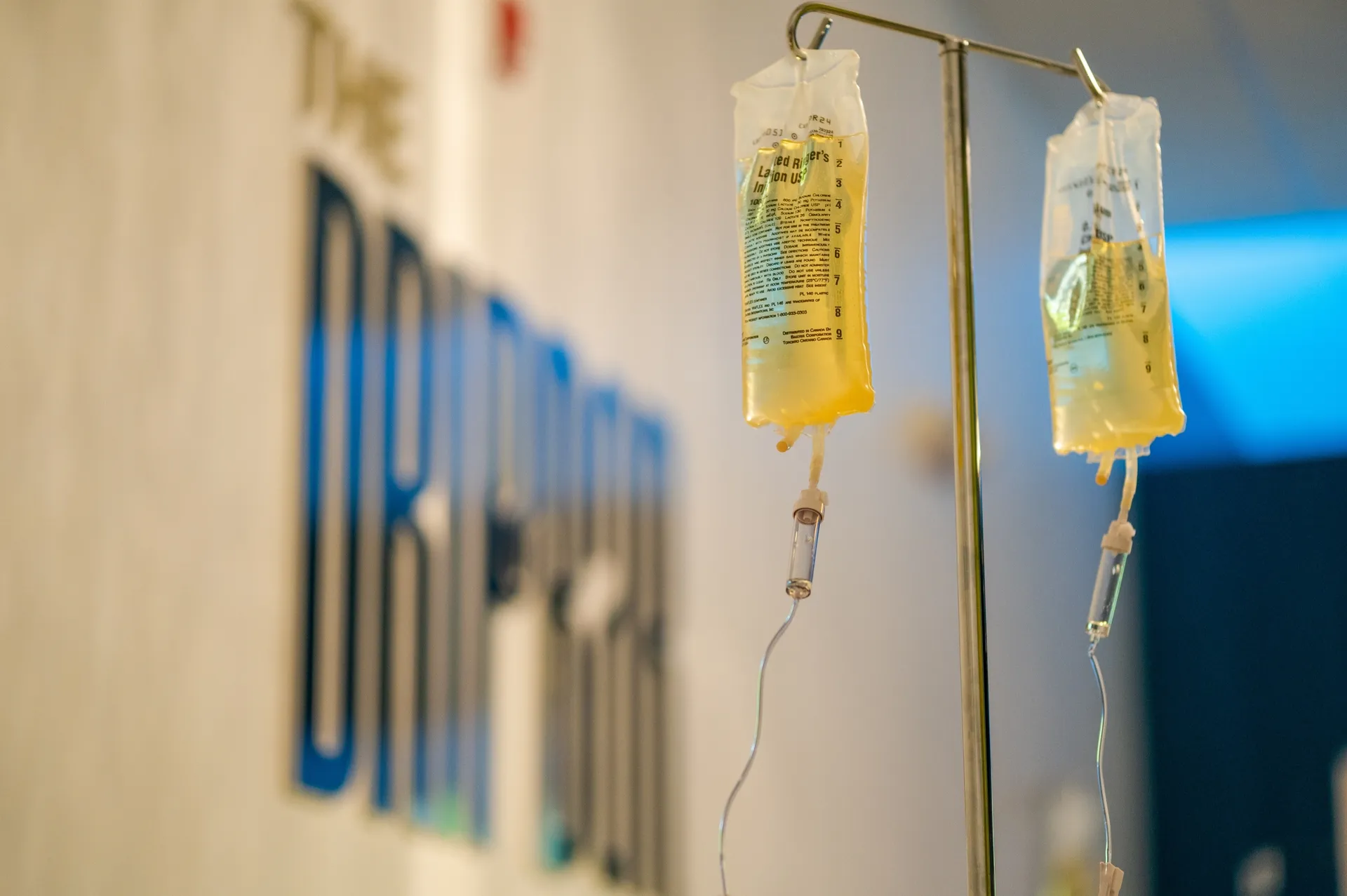
During and after cancer treatment, many people seek ways to restore energy and support their immune system. IV therapy at The DRIPBaR delivers targeted nutrients and hydration directly into the bloodstream, which may help address fatigue and nutrient depletion. These infusions are designed to support tissue repair, reduce oxidative stress, and promote overall wellness. Licensed nurses oversee each session to ensure safety and comfort.Clients often appreciate the convenience of receiving supportive care in a comfortable setting. IV therapy can be tailored to individual needs, focusing on replenishing vitamins, minerals, and antioxidants. This approach is intended to complement, not replace, traditional cancer treatments. By working alongside your oncology team, supportive therapies may help you feel stronger and more resilient throughout your recovery.
Targeted Nutrient Support for Recovery
Certain IV therapies provide antioxidants, vitamins, and minerals that may help support recovery and resilience during cancer care. These offerings are designed to address nutrient depletion, reduce oxidative stress, and promote healing.
Ascorbic Acid (Vitamin C), NAC, Magnesium, Zinc
Allergy therapy delivers key nutrients like Ascorbic Acid, NAC, Magnesium, and Zinc directly into the bloodstream for rapid support. This approach helps reduce inflammation and oxidative stress while promoting tissue repair. It supports balanced immune function and respiratory comfort. Regular treatments may enhance energy and mental clarity. Individual responses vary, so monitoring and professional guidance are recommended.
Glutathione
Glutathione is a critical antioxidant that helps neutralize free radicals and supports the body’s detoxification processes. Delivered intravenously, this therapy bypasses digestive barriers for immediate absorption and effectiveness. It aids in reducing oxidative stress, promoting immune resilience, and supporting skin and tissue repair. Regular support with glutathione can contribute to improved energy levels and overall wellness. This infusion is designed for those seeking proactive, science-based approaches to maintain their health and vitality.
High Dose Vitamin C
High Dose Vitamin C provides a therapeutic infusion of essential nutrients including ascorbic acid, magnesium, calcium, and potassium. This treatment supports the body’s antioxidant defenses and promotes immune resilience. It aids in tissue repair and helps reduce oxidative stress. The infusion bypasses digestive limitations for rapid nutrient absorption. It is suited for individuals seeking enhanced recovery and wellness support. Sessions are tailored to individual needs and overseen by licensed nurses. This therapy offers a proactive approach to maintaining health and vitality.
Ozone Therapy involves infusing medical-grade ozone into a small blood sample to stimulate immune and antioxidant responses. This process aims to improve oxygen delivery and cellular energy production. It supports detoxification and enhances circulation, contributing to overall health. The therapy is administered by licensed nurses in a controlled setting. It is suitable for those seeking to support recovery and maintain wellness. Sessions are designed to be safe, comfortable, and tailored to individual needs. This approach complements broader wellness strategies by promoting natural balance.
FAQs About Cancer Care & Prevention
What are early signs of improved energy and resilience?+
Early signs of improved energy and resilience may include feeling less fatigued and more able to participate in daily activities. Some people notice better concentration and a more positive mood. Improvements can be gradual and may vary from person to person. Tracking your daily experience can help you notice these subtle changes.
Which environmental factors affect antioxidant performance?+
Environmental factors such as pollution, stress, and diet can influence how antioxidants work in the body. Exposure to toxins or chronic stress may increase the need for antioxidant support. A balanced diet and healthy lifestyle can help maintain optimal antioxidant levels. Regular wellness practices may also play a role.
How can I tell if benefits are short-term or lasting?+
Short-term benefits often appear quickly, such as feeling more hydrated or less fatigued after a session. Lasting benefits may develop over weeks or months with consistent support. Monitoring your symptoms and overall well-being can help you distinguish between the two. Discussing your progress with your care team is also helpful.
When should I seek professional care for cancer?+
You should seek professional care if you notice new or worsening symptoms, such as persistent pain, unexplained weight loss, or severe fatigue. Licensed nurses and oncology specialists can help assess your situation and recommend appropriate steps. Early intervention often leads to better outcomes. Never hesitate to reach out if you have concerns about your health.
What are simple strategies to maintain antioxidants?+
Maintaining antioxidants involves eating a variety of fruits and vegetables, staying hydrated, and managing stress. Regular physical activity and avoiding tobacco can also help. Some people benefit from targeted nutritional support. Consistency in these habits supports your body’s natural defenses.
Why is rest essential for the immune system?+
Rest is crucial for the immune system because it allows the body to repair and regenerate cells. Quality sleep helps regulate immune responses and reduces inflammation. Chronic lack of rest can weaken defenses and slow recovery. Prioritizing rest supports overall wellness and resilience.
How do prevention strategies help reduce fatigue?+
Prevention strategies such as balanced nutrition, hydration, and regular activity can help reduce fatigue. These approaches support energy production and tissue repair. Managing stress and getting adequate rest are also important. Together, these habits may help you feel more energized.
How can I maximize results from Cancer Care & Prevention?+
Maximizing results involves following your care plan consistently and communicating with your care team. Regular sessions and healthy lifestyle choices can enhance benefits. Tracking your progress helps identify what works best for you. Adjustments may be needed over time to meet your changing needs.
How does goal-setting help those living with cancer?+
Goal-setting can provide motivation and a sense of control during cancer care. Setting small, achievable goals helps track progress and celebrate milestones. This approach can improve mood and resilience throughout treatment. Working with your care team ensures your goals are realistic and supportive.
How do I keep Cancer Care & Prevention working for me?+
Keeping Cancer Care & Prevention effective involves regular sessions and ongoing communication with your care team. Adjusting your plan as your needs change is important. Staying consistent with supportive therapies and healthy habits can help maintain benefits. Always discuss any concerns or changes with your providers.