
Is pelvic pain disrupting daily life?
Persistent pelvic pain and urinary urgency can make everyday activities challenging. Many people find that symptoms fluctuate, making it hard to plan ahead. Finding gentle, supportive options is important for long-term comfort.
Relief for Bladder Discomfort Starts Here
Support for bladder wellness.
The DRIPBaR offers targeted support for those managing interstitial cystitis, focusing on reducing inflammation and calming pelvic discomfort. Our therapies are designed to deliver nutrients that may help soothe the bladder lining and support immune balance. Many clients notice improved comfort and resilience to triggers with regular sessions. Each approach is tailored to complement your existing care plan for holistic symptom management.Our team at The DRIPBaR provides a welcoming environment where you can explore adjunctive therapies for ongoing relief. We work alongside your current strategies to help you find greater ease and stability. If you are ready to take a step toward better bladder health, book your appointment today. Discover how supportive care can make a difference.
Did you know?
Interstitial cystitis often affects women between ages 30 and 50, but men can also experience this chronic bladder condition.
Understanding Interstitial Cystitis
Interstitial cystitis is a chronic condition marked by bladder pain, pressure, and frequent urges to urinate without infection. The exact cause is unclear, but factors may include bladder lining defects, immune activity, pelvic floor dysfunction, and nerve sensitivity. Symptoms can range from mild discomfort to severe pain, impacting daily activities and emotional well-being. The condition is not caused by bacteria, so antibiotics are not effective.Common triggers for flare-ups include certain foods, beverages, stress, hormonal changes, and physical activity. Management often involves dietary adjustments, pelvic floor therapy, and stress reduction. Supportive therapies such as IV nutrient infusions may help by addressing inflammation and replenishing nutrients. A holistic approach can offer additional comfort and support for long-term wellness.
Symptoms of Interstitial Cystitis
What are the most common symptoms of interstitial cystitis? Many people experience persistent pelvic pain, which can feel like pressure or aching in the bladder area. Urinary urgency and frequent trips to the bathroom, often with small amounts of urine, are also typical. These symptoms can disrupt sleep and daily routines, making it difficult to focus on work or social activities.Pain during sexual activity is another symptom that some individuals face, adding emotional stress to physical discomfort. The sensation of always needing to urinate, even after just going, can be frustrating and exhausting. Flare-ups may be unpredictable, sometimes triggered by foods, stress, or hormonal changes. The intensity of symptoms can vary from day to day.Some people notice that their symptoms worsen with certain lifestyle factors, such as increased stress or physical exertion. Others may find that their discomfort is linked to specific dietary choices or environmental triggers. Over time, chronic pain and frequent urges can impact mood and overall quality of life. Seeking gentle, supportive care can help manage these patterns.
Traditional Treatments
What are the standard treatments for interstitial cystitis? Management usually starts with lifestyle changes, such as avoiding trigger foods and practicing stress-reduction techniques. Pelvic floor physical therapy is often recommended to address muscle tension and improve bladder control. Oral medications may be prescribed to help reduce pain, inflammation, or urinary urgency.Some people benefit from bladder instillation therapies, where soothing solutions are placed directly into the bladder. Supportive therapies like IV nutrient infusions can complement traditional care by targeting inflammation and replenishing nutrients. It is important to work closely with your healthcare provider to develop a plan tailored to your needs. Results can vary, and ongoing adjustments may be necessary for optimal comfort.
How IV Therapy May Help
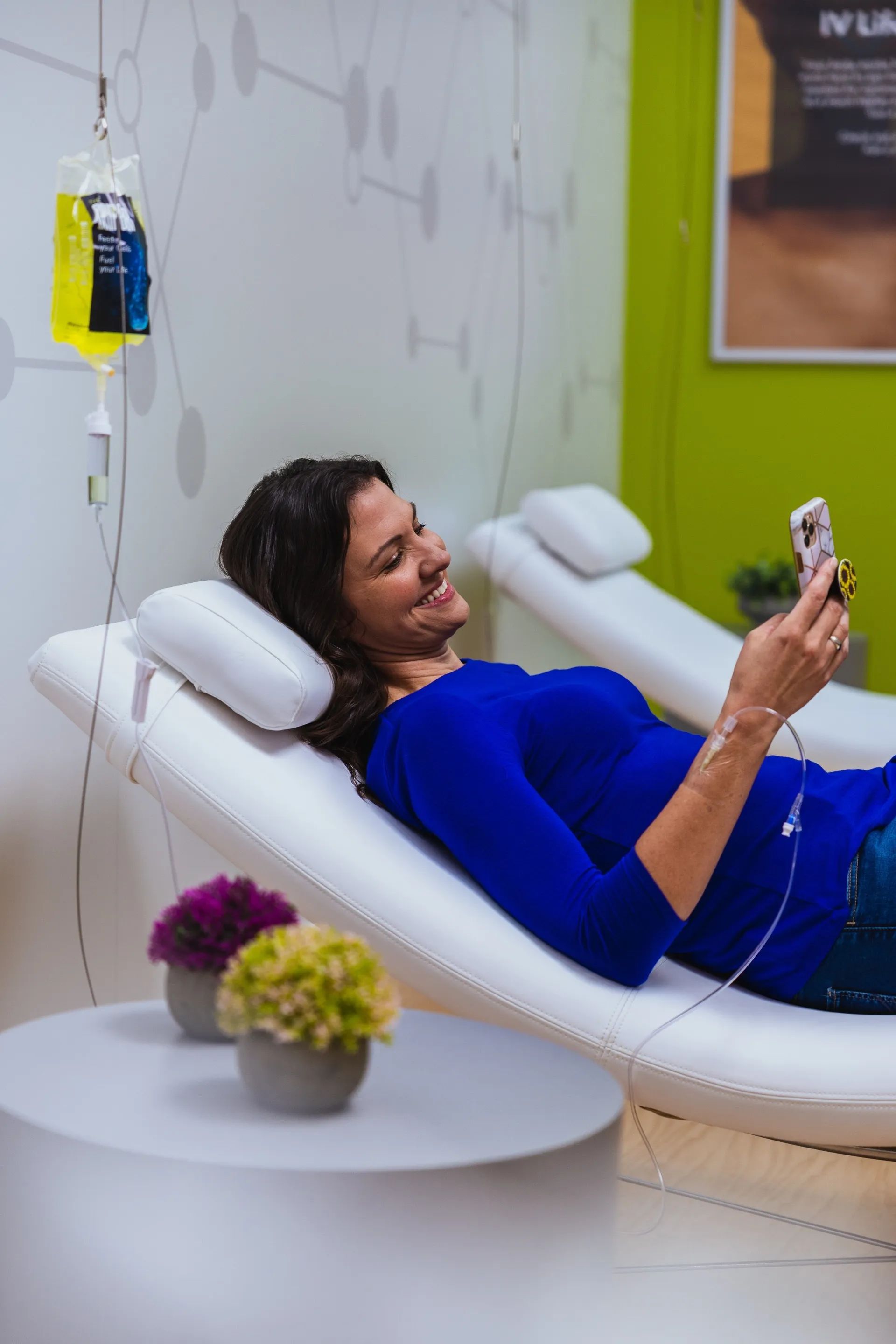
The DRIPBaR's wellness services are designed to provide targeted nutrients that may help reduce inflammation and support tissue healing for those with bladder discomfort. IV therapy allows for controlled dosing and direct delivery of vitamins, minerals, and antioxidants, which can complement your existing care plan. Many clients appreciate the calming environment and the opportunity to address stress-related triggers through supportive therapies. Our approach emphasizes safety, comfort, and individualized care.While these therapies are not a replacement for medical treatment, they can be a valuable part of a holistic wellness strategy. Regular sessions may help maintain hydration, promote relaxation, and support immune balance. Our licensed nurses are available to answer questions and guide you through each step. We encourage you to consult your healthcare provider before beginning any new wellness program.
Supportive Therapies for Bladder Relief
Certain wellness therapies may help reduce pelvic discomfort and support bladder health. These options focus on calming inflammation and promoting relaxation. They can be integrated into a comprehensive approach for managing symptoms.
Cold Plunge
Cold Plunge therapy involves brief immersion in chilled water to stimulate the body’s natural recovery mechanisms. This activates vascular and neurological pathways that help reduce muscle soreness and improve mental clarity. The process also triggers neurotransmitter release, which can enhance mood and focus. Regular use may support metabolic activity and energy balance. This therapy is a natural, non-invasive approach to supporting overall wellness and resilience. It can be integrated into various health routines for ongoing benefits.
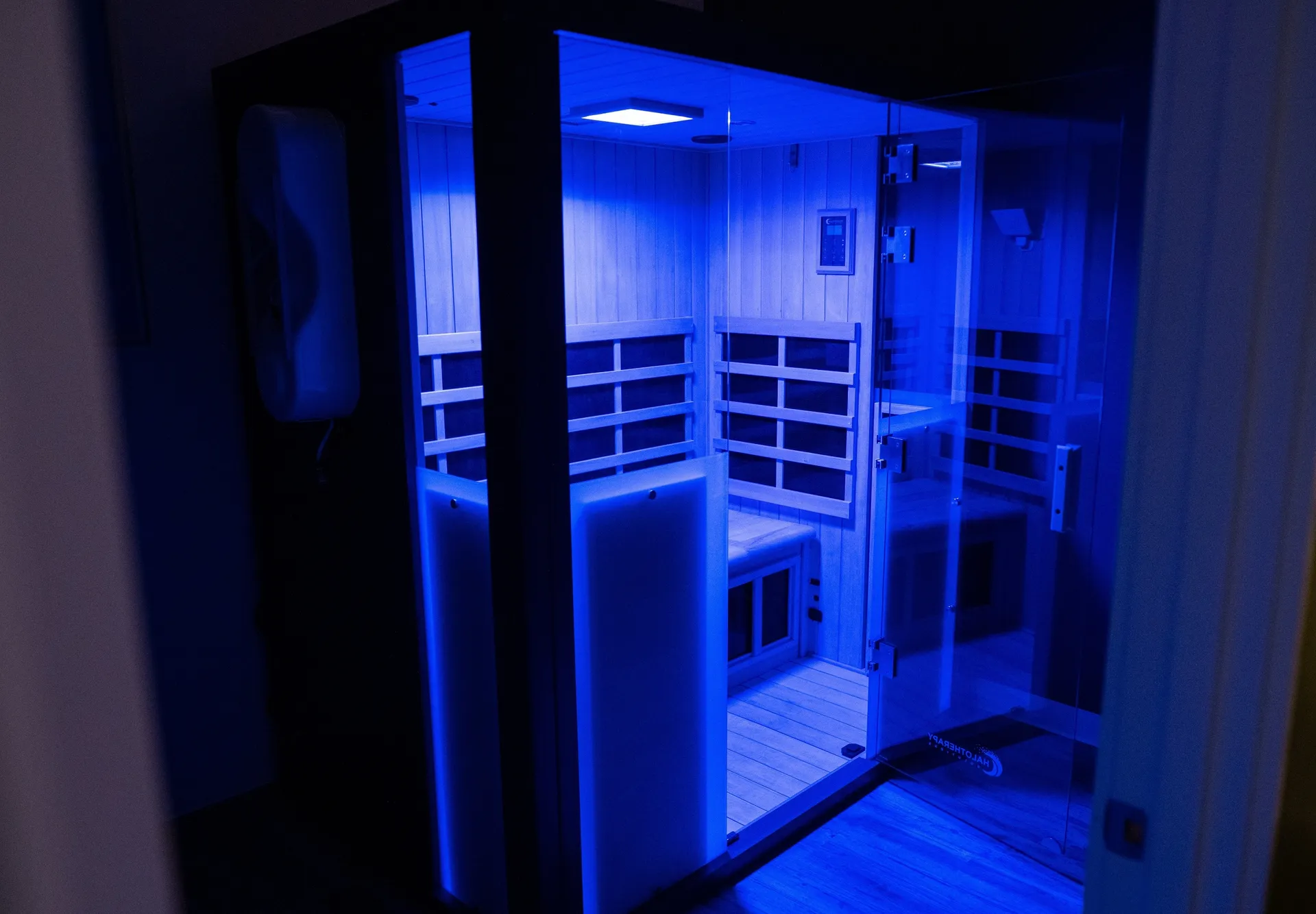
Infrared Sauna therapy offers a unique way to support the body’s natural healing processes through deep, targeted heat. By gently raising core temperature, it promotes improved circulation and encourages the elimination of toxins. The warmth helps ease muscle tension and supports skin health by enhancing nutrient delivery. Sessions are conducted in a private, comfortable setting with trained staff to ensure a relaxing experience. This therapy can be integrated with other wellness services to enhance overall benefits. Regular use may contribute to improved comfort, relaxation, and metabolic balance. It is suitable for individuals seeking a gentle, effective approach to wellness support.
Magnesium, Calcium, Taurine
Soother is a restorative intravenous infusion that delivers key nutrients like Magnesium, Calcium, and Taurine directly into the bloodstream. This approach supports muscle relaxation, emotional balance, and improved sleep quality. The infusion bypasses digestive limitations for faster nutrient absorption. It is designed for individuals seeking relief from stress, tension, and fatigue. The formula promotes mental clarity and physical recovery. This treatment offers a gentle way to restore balance and resilience. It fits well within a proactive wellness routine.
FAQs About Interstitial Cystitis
How does recovery time vary among people with interstitial cystitis?+
Recovery time for interstitial cystitis can differ widely depending on individual factors and symptom severity. Some people notice gradual improvement with consistent management, while others may experience ongoing flare-ups. Lifestyle changes, therapies, and stress reduction can all influence progress. It is important to set realistic expectations and work closely with your healthcare provider.
What lifestyle adjustments can improve vitamin intake?+
Improving vitamin intake often involves eating a balanced diet rich in fruits, vegetables, and whole grains. Reducing processed foods and staying hydrated can also support nutrient absorption. Managing stress and getting enough sleep may help your body use vitamins more effectively. Consulting a healthcare provider can guide you in making safe, sustainable changes.
How can I maximize the impact of magnesium in my wellness plan?+
Magnesium can support muscle relaxation and nervous system health, especially when included as part of a balanced wellness plan. Consistent intake through diet or supplementation may help ease tension and discomfort. Pairing magnesium with other supportive nutrients can enhance its benefits. Always discuss new supplements with your healthcare provider before starting.
What should I expect when managing interstitial cystitis over time?+
Managing interstitial cystitis is often a long-term process with periods of improvement and occasional flare-ups. Adapting your care plan as symptoms change can help maintain comfort. Combining therapies, lifestyle changes, and regular check-ins with your provider is recommended. Patience and flexibility are key to finding what works best for you.
How can complementary services amplify symptom relief?+
Pairing complementary services such as stress management, hydration support, and physical therapy may enhance overall symptom relief. These approaches can work together to address different aspects of discomfort. Integrating multiple strategies often provides a more comprehensive benefit. Discuss options with your provider to create a plan tailored to your needs.
What is a good starter schedule for interstitial cystitis support?+
A starter schedule may include regular wellness sessions, such as weekly or bi-weekly visits, to monitor progress and adjust care as needed. Gradually introducing therapies allows you to assess their effects and comfort level. Tracking symptoms and communicating with your provider helps refine your plan. Flexibility is important as your needs may change over time.
What are some long-term health strategies for women?+
Long-term health strategies for women managing chronic conditions often include balanced nutrition, regular exercise, and stress reduction. Staying hydrated and prioritizing sleep can also support overall wellness. Routine check-ins with healthcare providers help track progress and adjust care. Building a supportive network can make managing health challenges easier.
How does interstitial cystitis support long-term vitality?+
Managing interstitial cystitis with a comprehensive plan can help maintain comfort and promote long-term vitality. Consistent symptom management may reduce the impact of flare-ups on daily life. Supportive therapies and lifestyle adjustments work together to enhance well-being. Ongoing care and self-awareness are important for sustained improvement.
What are ways to personalize your approach to pelvic pain?+
Personalizing your approach to pelvic pain may involve tracking triggers, adjusting diet, and exploring different therapies. Listening to your body and noting patterns can guide your choices. Combining physical, emotional, and nutritional strategies often provides the best results. Collaboration with your healthcare provider ensures your plan is safe and effective.
How do seasonal factors impact symptom improvement?+
Seasonal changes can influence symptom patterns, with some people noticing more discomfort during certain times of the year. Adjusting routines, staying hydrated, and managing stress may help minimize these effects. Being proactive about self-care during challenging seasons can support comfort. Monitoring symptoms helps you adapt your plan as needed.